Leave Your Message
0%

Finding high-quality Chitosan Hydrochloride is super important if you're working in the health or supplement world. This stuff, which comes from chitin, has been getting more attention lately—people are using it in everything from supplements to meds. But honestly, tracking down reliable suppliers isn’t always a walk in the park. A lot of them lack the right certifications or don’t quite meet industry standards, so it’s tricky to know who to trust.

When you're on the hunt for Chitosan Hydrochloride, it’s smart to look at how experienced the supplier is. Companies with a solid track record often deliver better quality stuff. Plus, make sure to check their certifications—it’s a good sign they’re playing by the rules and maintaining quality. Authentic certifications can really give you peace of mind about what you’re getting.

Don’t forget to order samples before buying in bulk. Even the best suppliers can have some variance in quality, so it’s worth testing first. Think about past experiences too—sometimes, things look good on paper, but the actual product doesn’t meet expectations. By sampling first, you’re more likely to find a supplier you can rely on. Focusing on quality right from the start isn’t just about getting the best product; it’s also about building trust with your customers and creating a solid reputation in your industry.
How to Source High Quality Chitosan Hydrochloride for Your Business?

Understanding Chitosan Hydrochloride and Its Applications

Chitosan hydrochloride, derived from chitosan, has various applications in industries such as pharmaceuticals, food, and agriculture. This biopolymer is known for its biocompatibility and biodegradability. In the pharmaceutical sector, it serves as a drug delivery agent. Its ability to enhance absorption makes it valuable for formulating supplements and medications. Additionally, it helps in wound healing due to its antibacterial properties.

In the food industry, chitosan hydrochloride acts as a natural preservative. It can extend shelf life by preventing microbial growth. Many food manufacturers benefit from using this substance for its safety and functionality. In agriculture, it plays a role in plant health. Farmers often use it to boost crop resilience against pests and diseases.

Despite these advantages, sourcing high-quality chitosan hydrochloride can be challenging. Variations in product purity and sourcing methods exist. It's critical to verify supplier credentials and check for certifications. Engaging with reputable suppliers and reviewing sample quality can mitigate risks. Quality assurance must be a priority to ensure the substance meets your business needs.

How to Source High Quality Chitosan Hydrochloride for Your Business?

Source Purity Level Price per kg (USD) Main Applications Certification
Supplier A 90% $50 Nutraceuticals, Food Additives ISO 9001
Supplier B 85% $45 Cosmetics, Pharmaceuticals GMP
Supplier C 95% $55 Biomedical, Waste Treatment FSSC 22000

Identifying Quality Indicators for High-Grade Chitosan Hydrochloride

How to Source High Quality Chitosan Hydrochloride for Your Business?

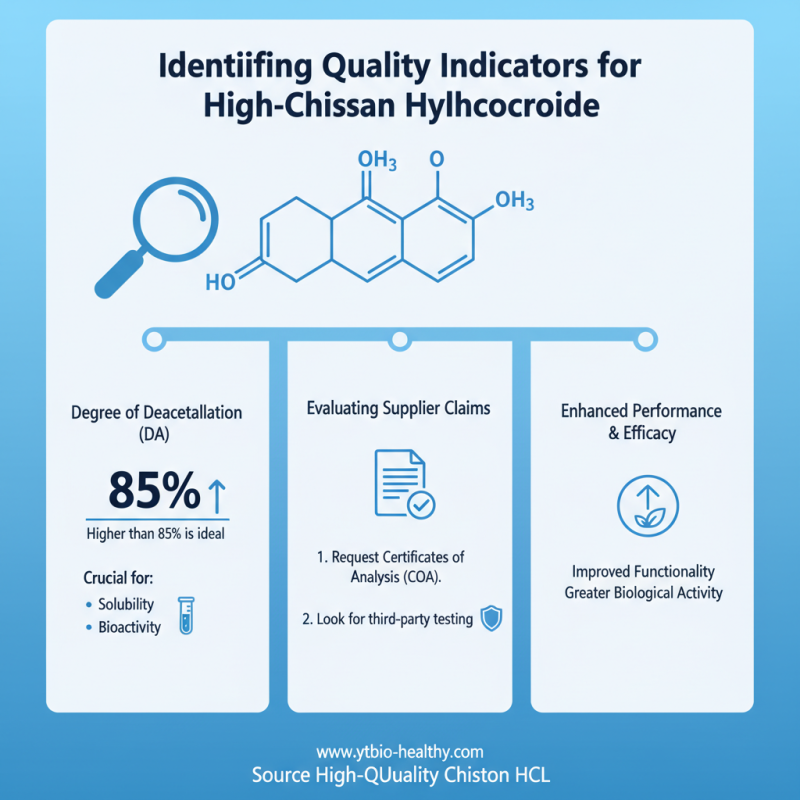
When sourcing high-quality Chitosan Hcl, recognizing quality indicators is crucial. A key factor is the degree of deacetylation (DA), which greatly affects the solubility and bioactivity of chitosan. Studies show that a DA over 85% enhances both performance and efficacy. Many suppliers publish their DA results, but evaluating these claims is essential.

Another important aspect is the molecular weight of Chitosan HCl, which influences its functional properties. High-grade chitosan typically has a molecular weight ranging from 50,000 to 500,000 Da. This variation impacts its applications, especially in pharmaceuticals and food industries. Research indicates that lower molecular weight chitosan has better antimicrobial properties. It’s vital to request detailed specifications from suppliers to ensure consistency and reliability.

Additionally, contamination levels must be considered. High-quality Chitosan HCl should have minimal levels of heavy metals and microorganisms. The specifications should adhere to standards set by organizations like the United States Pharmacopeia (USP). Testing for these contaminants ensures the safety and efficacy of the product. Always ask suppliers for third-party testing results to validate their claims. By focusing on these quality indicators, businesses can ensure they are sourcing high-grade Chitosan HCl.

Sourcing Strategies for Procuring Chitosan Hydrochloride Suppliers

When sourcing chitosan hydrochloride, businesses must adopt strategic approaches to ensure supplier quality. Reliable suppliers are essential for maintaining product integrity. Industry data shows that the global chitosan market is projected to reach USD 2.8 billion by 2027, with a CAGR of 15%. This growth highlights the increasing demand for high-quality chitosan derivatives, including chitosan hydrochloride.

Identifying credible suppliers can be challenging. A recent survey indicated that 45% of companies faced issues with product consistency. Evaluating suppliers’ certifications is critical. Look for ISO certifications and adherence to Good Manufacturing Practices (GMP). These credentials often reflect a supplier's commitment to quality and safety standards. Additionally, requesting samples for testing can help assess product quality before making larger commitments.

Fostering relationships with suppliers also plays a vital role. Establishing communication channels to discuss issues openly can lead to better product and service quality. Discrepancies in delivery times or product specifications should be addressed in real time. Regular audits and feedback sessions can improve the partnership and ensure alignment with production needs. This approach may seem simple but often reveals deeper operational weaknesses requiring attention.

Evaluating Supplier Credentials and Certifications

When sourcing chitosan hydrochloride, evaluating supplier credentials and certifications is crucial. Quality assurance should be your top priority. Ask potential suppliers for their ISO certifications. These standards indicate a commitment to quality management. Furthermore, check for Good Manufacturing Practices (GMP) certification. This ensures they follow regulations that guarantee consistent quality.

Investigate their experience in supplying chitosan products. A supplier with a solid history indicates reliability. Look for testimonials or case studies that showcase their expertise. Trustworthy suppliers often participate in industry associations, which enhances their credibility. Scrutinize their documentation carefully. Incomplete or vague information can be a red flag.

Be mindful of potential greenwashing. Some companies may exaggerate their environmental commitments without substantial evidence. Ensure that their sustainability claims are backed by independent certifications. This diligence reflects your commitment to sourcing responsibly. Engaging with multiple suppliers helps in comparing credentials effectively. Each interaction offers insights into their operational transparency and reliability.

Assessing Pricing and Cost-Effectiveness of Chitosan Hydrochloride

When assessing the pricing and cost-effectiveness of Chitosan Hydrochloride, several factors come into play. High-quality chitosan can vary in price based on its source and purity. It is crucial to work with reliable suppliers who emphasize sustainable practices. Conducting research on the market rates helps in setting a budget that aligns with your quality standards.

Tips: Always request samples before making large purchases. Evaluate the supplier's certification and production methods. This ensures the product meets health and safety standards. If you’re contemplating integrating Chitosan Quaternary Ammonium Salt into your products, note that its pricing can differ significantly based on demand and processing complexities.

Understanding the cost-benefit ratio is vital. Cheaper options may save money initially, but they can affect the quality of your final product. Consider long-term impacts, such as customer satisfaction and product efficacy. Engaging with suppliers to discuss bulk purchase discounts may lead to better pricing. Assessing these elements will guide you toward sourcing Chitosan Hydrochloride that aligns with your business needs.

Assessment of Chitosan Hydrochloride Pricing and Cost-Effectiveness

Establishing a Quality Assurance Process for Chitosan Hydrochloride

Establishing a quality assurance process for sourcing high-quality Chitosan Hydrochloride is crucial for any business. This process begins with understanding the raw materials. Chitosan is derived from chitin, primarily found in crustacean shells. According to the International Journal of Biological Macromolecules, quality variations in chitosan can arise based on extraction methods and raw material sources. When sourcing Wholesale Chitosan, ensure that suppliers can provide certificates of analysis for their products.

Testing is an essential part of this assurance process. Focus on parameters like purity, molecular weight, and deacetylation degree. Research indicates that high-quality chitosan should have at least 85% deacetylation. Not every supplier meets this standard, highlighting a potential risk in sourcing. Keep records of all tests performed. These records not only aid in compliance with industry standards but also enhance trust with your customers.

Regular audits of suppliers are also vital. Engage in direct communication with them about their quality assurance protocols. This can reveal inconsistencies that may not be apparent in product specs alone. It’s essential to reflect on past sourcing decisions. Mistakes in selecting suppliers can lead to significant quality issues. Learning from these experiences will shape better future sourcing strategies.

Building Long-Term Relationships with Chitosan Suppliers

How to Source High Quality Chitosan Hydrochloride for Your Business?

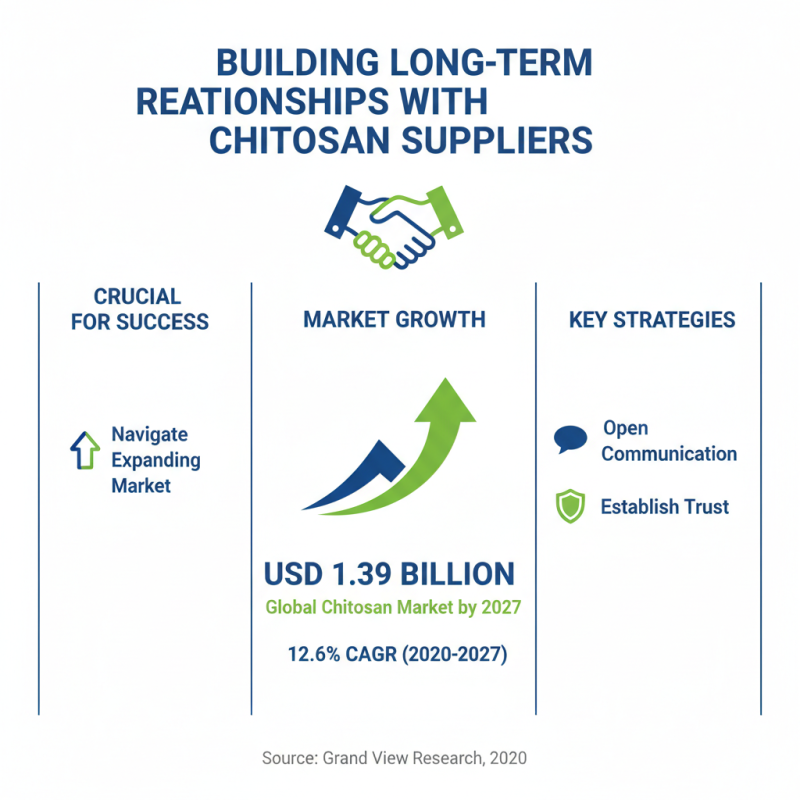
Building long-term relationships with chitosan suppliers is crucial for business success. The global chitosan market is projected to reach USD 1.39 billion by 2027, with a compound annual growth rate (CAGR) of 12.6% from 2020 to 2027. Establishing trust and open communication with suppliers helps in navigating this expanding market.

Quality assurance is paramount. When sourcing chitosan hydrochloride, request detailed product specifications and certificates of analysis. Many suppliers provide documentation that confirms quality standards. A recent industry report noted that over 60% of buyers experienced issues due to inadequate quality control from suppliers. This indicates the need for due diligence in selecting partners.

Building effective relationships also involves regular communication. Frequent discussions can reveal a supplier's production capabilities and technological advancements. In some cases, suppliers may lack the latest certifications or fail to meet the growing demand for sustainable practices. Regular evaluations can identify areas for improvement in the supply chain. This proactive approach can ultimately ensure a reliable source of Chitosan Wholesale, minimizing disruptions in your operations.

FAQS

: What is chitosan hydrochloride?

: Chitosan hydrochloride is a biopolymer derived from chitosan. It has applications in pharmaceuticals, food, and agriculture.

How is chitosan hydrochloride used in pharmaceuticals?

It serves as a drug delivery agent, enhancing absorption for supplements and medications.

What role does chitosan hydrochloride play in wound healing?

Its antibacterial properties make it beneficial for wound healing.

Why is chitosan hydrochloride important in the food industry?

It acts as a natural preservative, extending shelf life by preventing microbial growth.

How do farmers benefit from chitosan hydrochloride?

Farmers use it to improve crop resilience against pests and diseases.

What challenges exist in sourcing chitosan hydrochloride?

Sourcing high-quality products can be tough due to variations in purity and methods.

What should businesses do when selecting chitosan suppliers?

Verify supplier credentials and check for certifications to ensure quality and safety.

Why is quality assurance important in chitosan sourcing?

Inadequate quality control can lead to significant issues for buyers, underscoring the need for diligence.

How can regular communication with suppliers help?

It can reveal a supplier's capabilities and areas needing improvement, fostering trust and reliability.

What is a common oversight when dealing with suppliers?

Some suppliers may lack the latest certifications or sustainable practices, which can affect product quality.

Conclusion

This article provides a comprehensive guide on sourcing high-quality Chitosan Hydrochloride for businesses. It begins by explaining what Chitosan Hydrochloride is and its various applications, emphasizing its significance in fields such as pharmaceuticals and cosmetics. The article highlights key quality indicators, helping businesses identify high-grade Chitosan Hydrochloride by assessing factors like purity and solubility.

Furthermore, effective sourcing strategies are discussed, including tips for finding reliable suppliers and evaluating their credentials and certifications. Cost-effectiveness is also addressed, allowing businesses to weigh pricing against quality. Finally, the article underscores the importance of establishing a quality assurance process and building long-term relationships with suppliers to ensure consistent access to high-quality Chitosan Hydrochloride. This holistic approach can significantly enhance procurement efficiency and product reliability.
Lucas

Lucas

Lucas is a dedicated marketing professional at Shaanxi Yuantai Biological Technology Co., Ltd., where he plays a pivotal role in promoting the company's diverse range of products. With a high level of expertise in plant extracts, nutritional supplements, cosmetic raw materials, and organic......
Previous How to Source Palmitoylethanolamide Powder for Your Business?