
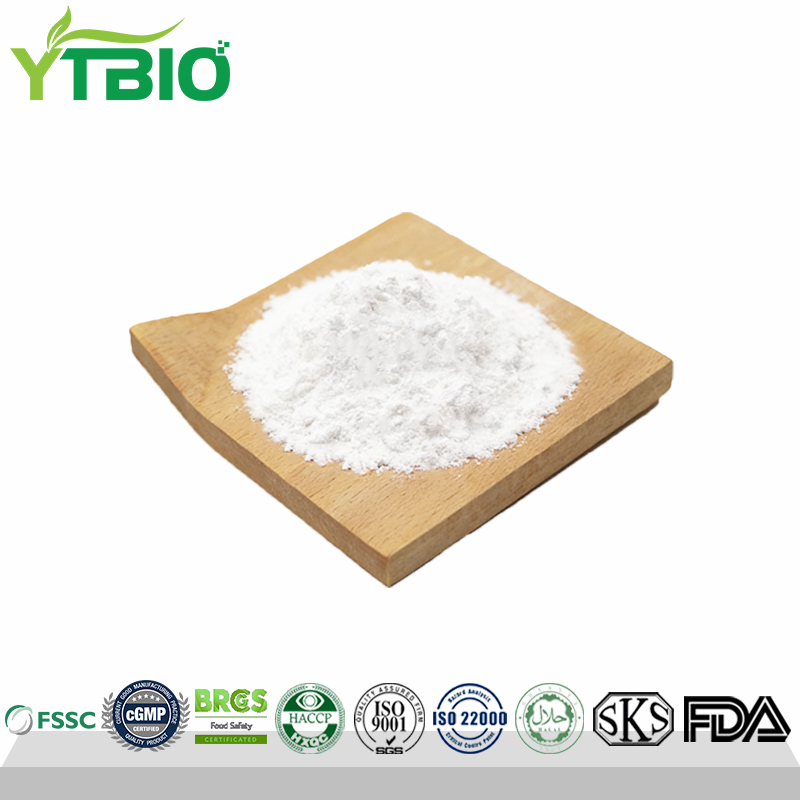
Bulk 99% Sodium Ascorbate Powder
Sodium Ascorbate: Overview
Sodium ascorbate, commonly known as sodium vitamin C, is a sodium salt formed by the combination of ascorbic acid and sodium. Its chemical stability is significantly higher than that of ascorbic acid, and it exhibits extremely high solubility in water, dissolving much faster.
In terms of properties, aqueous solutions of sodium ascorbate are nearly neutral (pH approximately 7.5), avoiding the strong acidity of ascorbic acid, making it gentler on the gastrointestinal tract and easier to use in combination with other medications or food ingredients. Once ingested, its high solubility facilitates rapid dispersion and absorption in the digestive tract, making it particularly suitable for individuals with weak digestive systems. Functionally, it retains the activity of ascorbic acid, including antioxidant properties, promotion of collagen synthesis, immune enhancement, and aiding iron absorption. Therefore, it is widely used in the food industry, pharmaceuticals, and cosmetics. Overall, sodium ascorbate is a more stable, readily soluble, and less irritating source of vitamin C.
Sodium Ascorbate: Efficacy and Functions
Sodium ascorbate can be converted into Vitamin C (ascorbic acid) in the body, and its sodium salt properties provide advantages.
Antioxidant: As an important antioxidant nutrient, sodium ascorbate effectively scavenge free radicals, protects cell membranes, proteins, and DNA from oxidative damage, delays cell aging, and protects food and other nutrients (VA/VE) from oxidative deterioration.
Promotes Collagen Synthesis: Sodium ascorbate participates in the hydroxylation of proline and lysine in collagen synthesis, which is crucial for maintaining the health of skin, blood vessels, bones, teeth, and connective tissue, and helps with wound healing and maintaining skin elasticity.
Immune Health: Sodium ascorbate helps promote the proliferation and activity of white blood cells, enhances the body's resistance to pathogens, and shortens the course of infection.
Promotes Iron Absorption: In the intestine, sodium ascorbate reduces poorly absorbed ferric iron (Fe3+) to easily absorbed ferrous iron (Fe2+), significantly improving the bioavailability of non-heme iron and helping to prevent and improve iron deficiency anemia.
Participates in body metabolism: Assists in the synthesis of neurotransmitters, carnitine, and certain hormones; participates in cholesterol metabolism and liver detoxification.
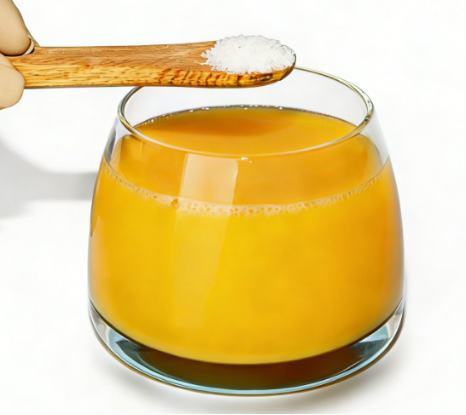
Rapid absorption: Compared to ascorbic acid, sodium ascorbate has better water solubility, dissolving faster and more completely, allowing for rapid absorption by the body, especially suitable for people with weak digestive systems.
Low irritation: Sodium ascorbate aqueous solution is nearly neutral, avoiding the gastrointestinal irritation caused by ascorbic acid, resulting in a gentler experience, suitable for people who need long-term or high-dose vitamin C supplementation.

Sodium Ascorbate: Application Areas
Sodium ascorbate is widely used in the food industry, pharmaceutical industry, and cosmetics.
Food Industry
Sodium ascorbate is often used as a nutritional fortifier in beverages (fruit juices, sports drinks), dairy products, cereals, infant formula, etc., to fortify vitamin C content.
Sodium ascorbate is also used as an antioxidant preservative, often added to meat products (ham, sausage, luncheon meat) to prevent oxidation, maintain flavor, and inhibit the formation of harmful substances such as nitrosamines; it is also used in canned goods and fruit and vegetable products to prevent browning and flavor deterioration; in baked goods, it can improve dough quality; and it can maintain the natural color of processed fruits and vegetables.
Pharmaceuticals and Health Products
Sodium ascorbate, as a source of neutral vitamin C, is often added to tablets and effervescent tablets for the prevention and treatment of scurvy, as well as as an adjunct treatment and nutritional support for various diseases, avoiding contraindications for patients with hyperacidity.
Sodium ascorbate is also widely used as a dietary supplement in various multivitamins and antioxidant supplements.
Cosmetic Additives
Sodium ascorbate, with its antioxidant properties, is used in serums, creams, and other products to combat wrinkles, aging, brighten skin tone, inhibit melanin production (whitening), and promote skin repair, while protecting other active ingredients in cosmetics from oxidative degradation.
Other Applications
Sodium ascorbate is used as a vitamin C supplement in animal feed.
Sodium ascorbate is used as a chemical intermediate in the production of other compounds.

Synergistic Combination of Ascorbic Acid and Sodium Ascorbate
In the actual production of vitamin C supplements, ascorbic acid and its sodium salt (sodium ascorbate) are often used simultaneously as raw materials. The aim is to achieve product efficacy, stability, user experience, and safety through the synergistic and complementary effects of the two.
Pure ascorbic acid is chemically reactive and sensitive to light, heat, moisture, and metal ions. It is easily oxidized and degraded, affecting product shelf life and safety. Using it alone often results in a shorter shelf life. The chemical structure of sodium ascorbate significantly improves its stability under the same conditions, especially when used as a coating or mixed with an ascorbic acid core. It slows down the oxidation rate of the product, thus ensuring the effectiveness of the active ingredient within the standard shelf life.
Sodium ascorbate also has significantly higher water solubility and dissolution rate than ascorbic acid. In compound formulations, it dissolves rapidly, promoting the breakdown and absorption of tablets or granules in the stomach. This not only improves the user experience but also accelerates the absorption of vitamin C in the small intestine, making it suitable for individuals with weak gastrointestinal function. Furthermore, by mixing the two in an appropriate ratio, the pH of the final product can be effectively adjusted, significantly reducing direct irritation to the gastric mucosa and improving the overall taste.
Therefore, combining ascorbic acid and sodium ascorbate in vitamin C supplements cleverly leverages the stability, solubility, and mildness of sodium ascorbate to compensate for the shortcomings of pure ascorbic acid in storage, absorption, and user experience; simultaneously, the high vitamin C content of pure ascorbic acid ensures the supplement's effectiveness. This combination ultimately guarantees the product's efficacy, safety, stability, and palatability.
